
Hybrid Approaches: Physical Models/Simulation and Data-Driven Models
In computer science and applied mathematics, the challenge lies in developing an innovative methodology that combines physical models, such as multi-agent simulation (Research area 1), and data-driven models (Research area 2), in order to harness their complementary strengths.
Hybrid Models
Advantages and Limitations of Hybrid Models
Physical models, which rely on mathematical laws and equations, offer an in-depth understanding of the systems under study. However, they may encounter difficulties in accurately modelling real-world physical systems, leading to discrepancies between predictions and observations. Simulation models, including multi-agent systems, face similar limitations, particularly during calibration. By contrast, data-driven models, whilst effective, rely heavily on the availability of comprehensive datasets, which are often difficult to obtain. These models may also be limited in predicting novel scenarios that have never been observed in the training data.
Modelling of Mobility Systems
One of the areas of application for these hybrid models is the modelling of mobility systems. Integrating data-driven models with multi-agent approaches enables simulations to be improved using more accurate data. The main challenges of this integration lie in the effective fusion of data and in reconciling the deterministic aspects of simulators with the probabilistic nature of data-driven models.
Mobility Control and Optimization
In the field of mobility control and optimization, the coupling of control platforms such as Claire, developed at Grettia and industrialized at Thales with machine learning techniques is proving promising. These control systems, which currently rely on operators’ experience and interactions between junctions, could be improved through reinforcement learning, in order to memorize and optimize the impact of past actions.
Optimal Control via Reinforcement Learning
Reinforcement learning also opens up new avenues in the optimal control of complex systems, such as metro lines and autonomous vehicles. Grettia plans to collaborate with academic teams specializing in this field to further this research.
Energy Efficiency in Buildings
Finally, in the field of building energy efficiency, the integration of thermal models with data-driven methods is a key area of research. This project, carried out in partnership with the Lisis laboratories at Cosys and Esycom at Esiee as part of the ANDRE project, funded by the I-SITE FUTURE initiative as part of the ANDRE project, funded by the I-SITE FUTURE initiative, aims to reduce the gap between energy performance forecasts and actual consumption.
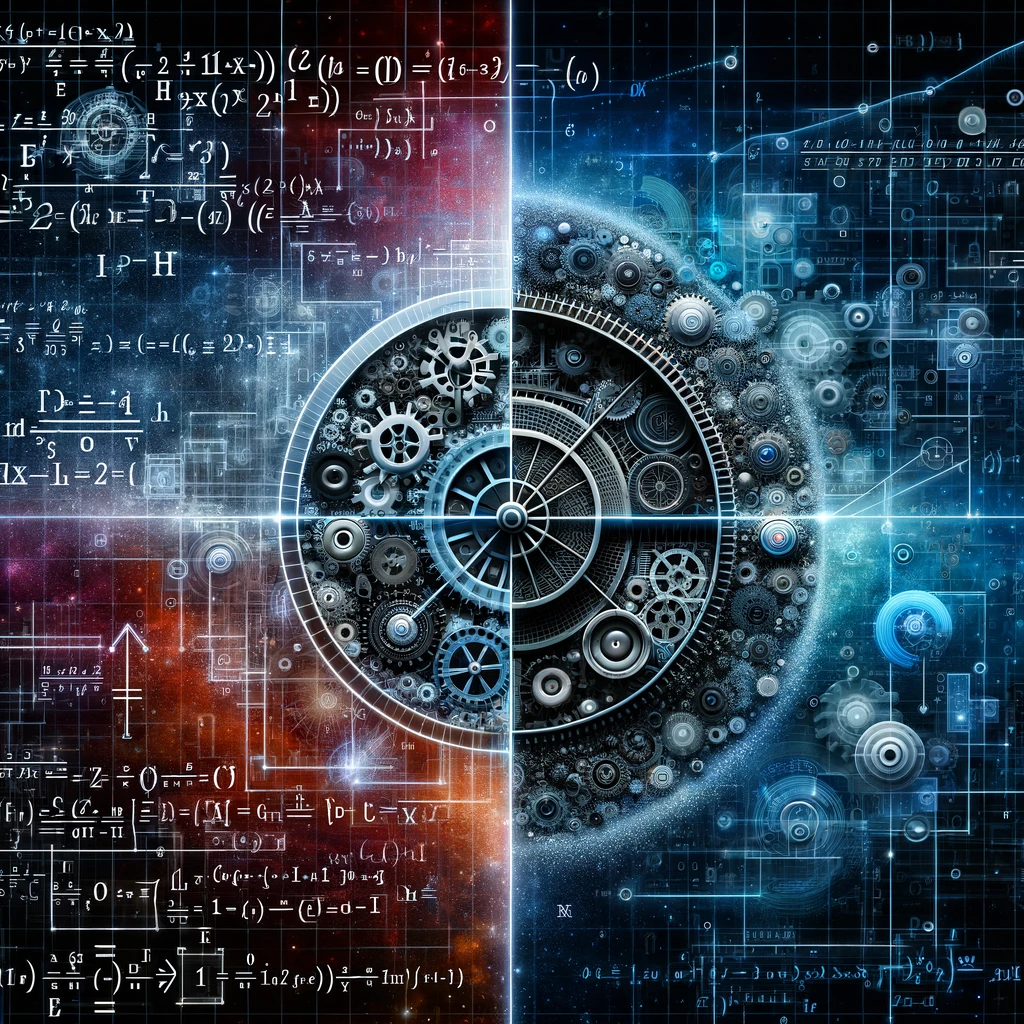
Hybrid modelling in computer science and applied mathematics: integrating physical models and numerical data.
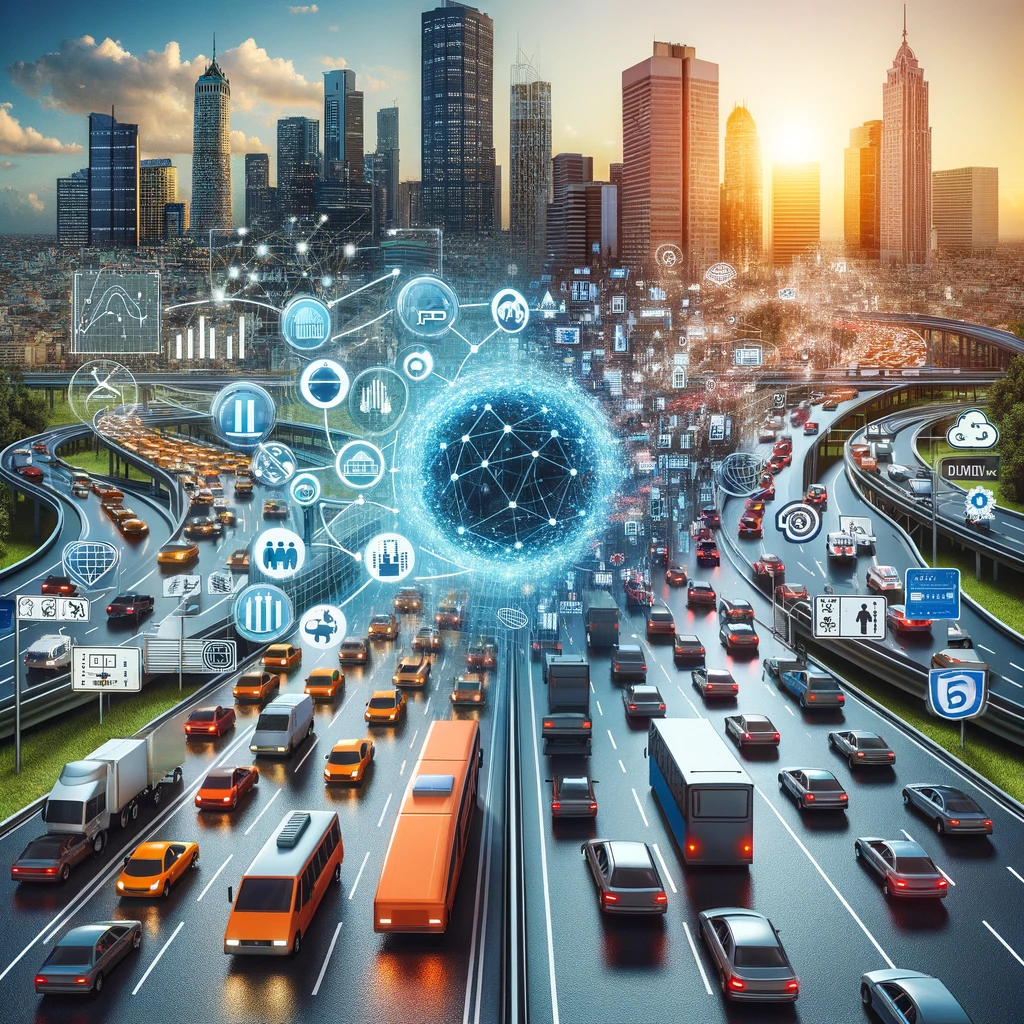
Synergy Between Multi-Agent Simulation and Data-Driven Modeling in Mobility Systems: Traffic Analysis in a City.
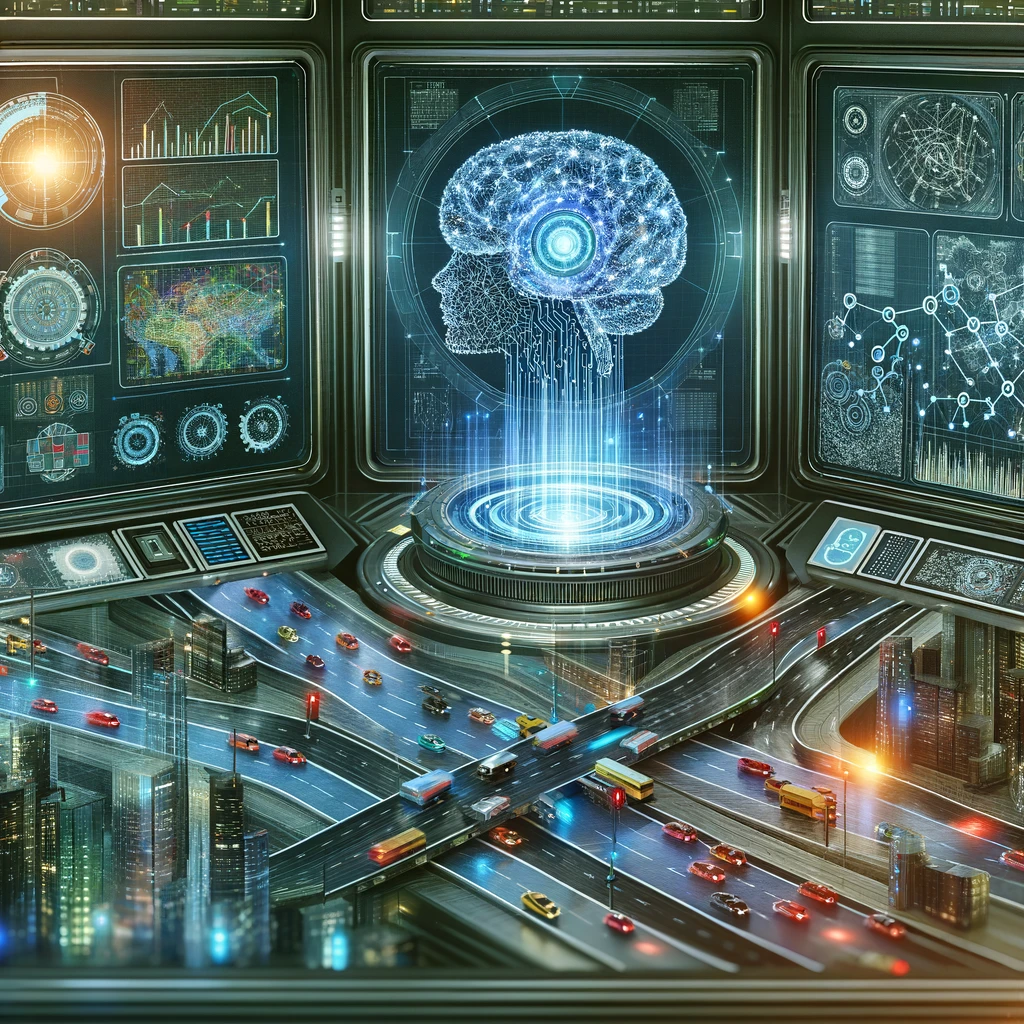
Advanced traffic management using machine learning: A futuristic control center with AI optimizing traffic flow.