Data Science for Mobility and Urban Monitoring
This theme focuses on developing machine learning-based methods informed by the humanities and social sciences, and addresses several key areas.
Multi-source data science
Deciphering behaviour through digital trace
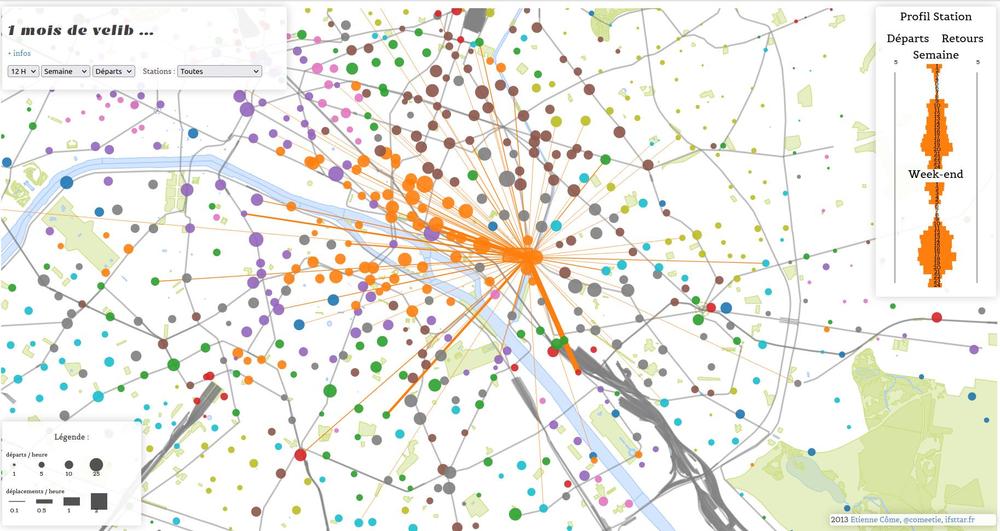
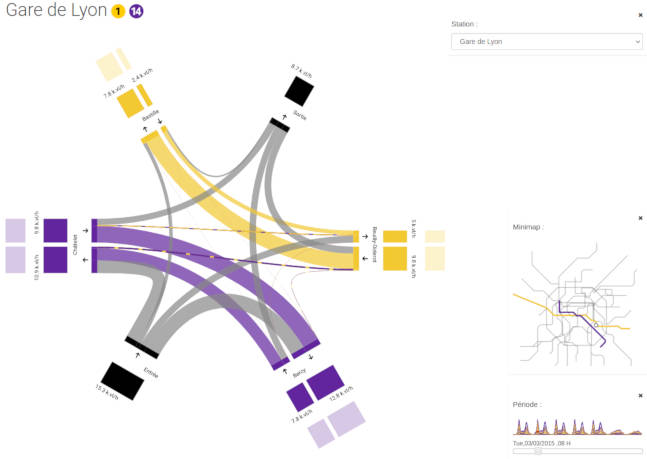
In the field of mobility, the first aspect concerns the use of heterogeneous digital data (surveys, telephony, traffic, ticketing), in addition to traditional data, to analyze and estimate mobility indicators at fine temporal and spatial scales. The development of predictive models is also addressed, focusing on forecasting for both plannable and recurring events, as well as non-recurring events. The problem is tackled using techniques dedicated to multivariate time series or deep machine learning methods.
The analysis of individual mobility behaviors is a research area considered in conjunction with machine learning models and behavioral models. Psychology/ergonomics-oriented methods seek to identify individual mobility behaviors using dedicated surveys. The analysis of cyclists’ behavior when cycling in urban areas is a research topic being investigated by Grettia in collaboration with other laboratories (PICS-L and Lapea).
Predicting usage patterns based on consumption profiles
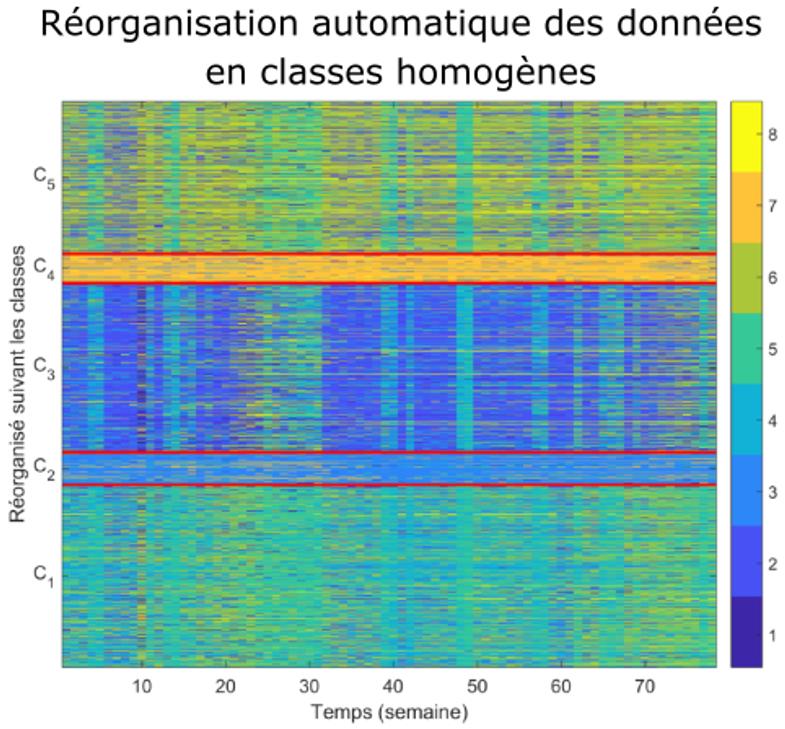
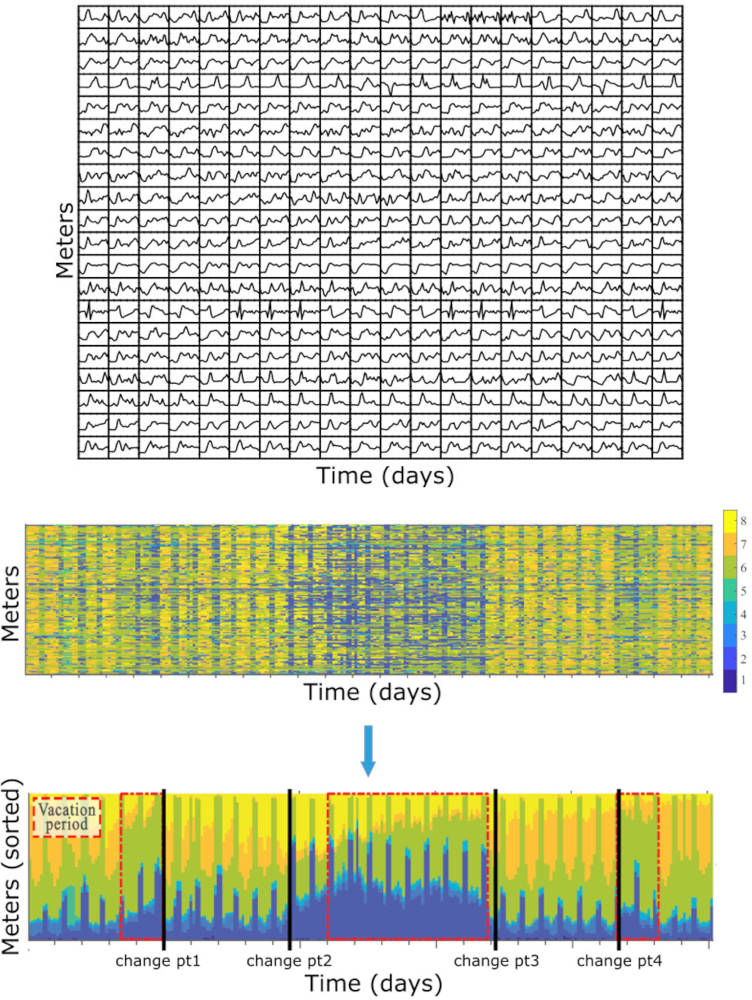
For urban monitoring, an initial phase of the work focuses on extracting and predicting usage patterns from big data (water and electricity consumption data). Original dynamic latent variable models are being developed for the classification of categorical panels. This work is continuing in the building sector, with a key focus on the contribution of data to energy forecasting.
Anticipating malfunctions using historical data
The reliability and maintenance of transport systems is focused on the development of predictive maintenance strategies (or forecasting) which aim to determine, based on a history of observations, the best time to carry out preventive maintenance on the system in question. Current work focuses in particular on the implementation of strategies based on the optimization of dynamic grouping of maintenance tasks and the consideration of operational and organizational constraints.